
Are Magnetic Toys Safe? A Parent's Guide to Magnets in Kids' Toys
Are magnetic toys safe for kids? Most are, as long as they are well made, suited to your child's age and fully intact. The real risk comes from small, strong magnets. These include loose magnets, magnets that fall out of a cracked or worn toy, and high-powered magnet sets sold as desk gadgets for adults. If a child swallows more than one magnet, or a magnet plus a piece of metal, the pieces can pull toward each other through the walls of the intestine. That can cause serious internal injury that needs urgent medical care.
This guide explains why strong magnets are a concern, which ages need extra caution, how to check the toys you already own, and what to do if you find a loose magnet. It finishes with magnet-free building toys that give kids the same satisfaction of building something real.
Why strong small magnets are dangerous for children
One swallowed magnet usually behaves like any other small swallowed object. Two or more behave very differently, for three reasons:
- They attract across tissue. Two magnets in different loops of the bowel can snap together and pinch the tissue between them. Over time this can cause holes, blockages or infection.
- Symptoms can be vague or late. A child may seem fine at first, or show only stomach ache, vomiting or tiredness that looks like a common bug.
- Powerful magnets are very small. Tiny rare-earth magnets (often called neodymium magnets) are far stronger than a fridge magnet of the same size, and they look like shiny beads or sweets.
Many toy safety standards limit how strong a magnet can be if it is small enough to swallow. Children's toys are also expected to keep magnets sealed inside. The trouble starts when a product isn't really a toy, or when a toy breaks.
Magnetic tiles age and other age cautions
Parents often ask about the right magnetic tiles age. Good-quality magnetic tiles and blocks are usually labeled for ages 3 and up, with magnets sealed inside the plastic. Some general guidelines:
- Under 3: no toys with small parts and no loose magnets of any kind. Babies and toddlers explore with their mouths.
- Ages 3–6: sealed magnetic tiles labeled for the age can be fine with regular checks. Children this age still sometimes put things in their mouths, especially when tired or teething molars.
- Ages 6–12: the risk changes. Older kids may use small magnets to fake tongue or lip piercings and swallow them by accident. Explain why that's dangerous.
- Teens and adults: high-powered magnet sets are not toys. Keep them out of homes with younger children entirely.
Remember the youngest child in the house. A sealed magnet set meant for a 7-year-old can still reach a crawling sibling.
How to check a toy: magnet toy safety checklist
Use this checklist before buying and every few weeks afterwards:
- Age label: clear age range and warnings on the box or product page.
- Fully enclosed magnets: you shouldn't be able to see or touch the magnet itself.
- No cracks or loose seams: squeeze tiles and pieces gently and look for gaps, splits or rattling.
- Count the pieces: for sets with separate magnetic parts, know how many you started with.
- Not an adult gadget: loose ball or cube magnet sets sold for stress relief or desks don't belong in children's play.
- Clear seller information: buy from sellers who list age ranges and safety warnings for every item.
Step by step: what to do with loose magnets
- Remove the toy from play as soon as you see a crack or an exposed magnet.
- Search the area for any other magnets that may have fallen out, including under furniture and in toy bins.
- Count what you find against the number of pieces the toy should have, if you know it.
- Throw them away safely: wrap loose magnets in tape or put them in a sealed container before placing them in the bin, so children and pets can't fish them out.
- If you think a child swallowed a magnet, seek emergency medical care right away, even if they seem fine. Don't wait for symptoms, and don't try to make them vomit. Tell the medical team it may be a magnet and how many could be missing.
Common mistakes parents make
- Assuming one missing magnet is harmless. You can't always know whether a second magnet or a metal object was swallowed too.
- Gluing a broken tile back together. Repairs can fail again. Replace or remove damaged pieces.
- Leaving older kids' sets out. Toys for older children often end up on the floor where toddlers play.
- Buying magnet sets from the gadget aisle. If it's not sold as a children's toy with an age label, treat it as an adult item.
- Skipping checks on well-loved toys. The most-used sets are the ones most likely to crack.
Magnetic vs magnet-free building toys: a quick comparison
- Magnetic tiles: quick to connect, good for young builders, but need regular checks for cracks once they've been dropped and stepped on.
- Interlocking blocks and micro-blocks: no magnets, very detailed results, great for patience and fine motor skills. They have small parts, so they suit older kids.
- Screw-together and press-fit kits: real mechanisms, gears and levers, and a finished model that moves. They often need adult help with the first steps.
- Stacking and nesting toys: large pieces, no magnets, suited to babies and toddlers.
Magnet-free building toys from our shop
At MAGIKA we put safety first: every product lists an age range and warnings, and we don't sell toys with strong magnets, small parts for under-3s or exposed button batteries. If you'd rather skip magnets, browse our Building & Construction and Educational Toys collections. A few picks that fit this guide:
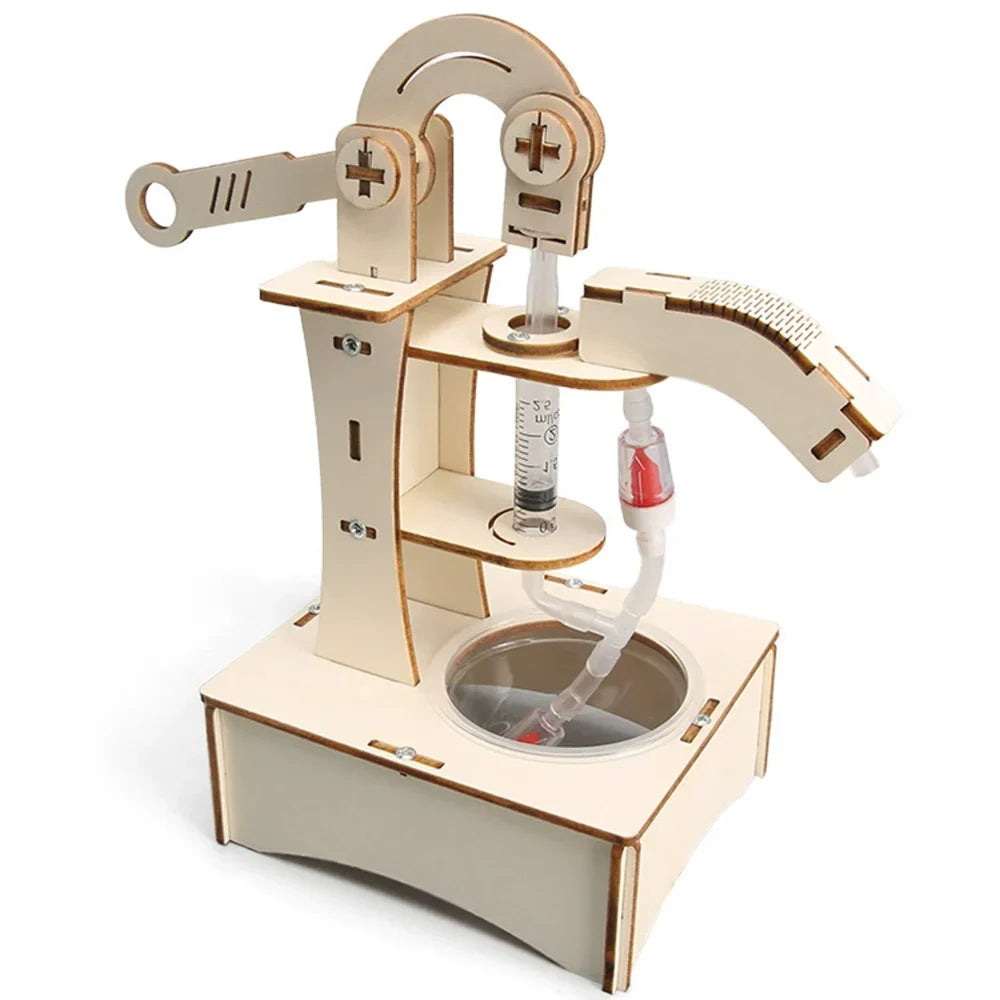
- Kids DIY Science Kit – Wooden Machines That Really Work: kids press wooden parts out of a board and build machines that move, pump water or play a tune. A hands-on way to learn mechanics without magnets.
- Insect Building Kits – Bee, Dragonfly, Mantis and More: interlocking block models with movable wings and legs. The pieces are small, so they suit older kids and need to be kept away from toddlers.
- Micro-Block Panda – 5 Designs: a calm, detailed build for older children who enjoy fine work. Micro blocks are tiny, so build at a table, not on the floor.
- Frog Balance Math Game – Learn to Add by Weighing: no magnets, just weights and balance, turning addition into an experiment.
- Rainbow Stacking Cups with Letters and Numbers: big, simple pieces for the youngest builders, from nesting to towers.
Always check the age range on each product page before you buy, especially if younger siblings share the play space.
FAQ
Are magnetic toys safe for kids under 3?
Toys with small parts or loose magnets are not suitable under 3. Choose large, one-piece toys such as stacking cups, and keep older siblings' magnetic sets out of reach.
What age are magnetic tiles for?
Most well-made magnetic tiles are labeled for ages 3 and up, with sealed magnets. Follow the label on your set and check tiles regularly for cracks.
What should I do if my child swallowed a magnet?
Go to emergency care right away, even if your child seems well. Don't induce vomiting, and tell the doctors how many magnets might be missing.
Is one swallowed magnet dangerous?
The biggest danger is two or more magnets, or a magnet plus metal. Because you rarely know for sure that only one was swallowed, always get medical advice.
What are good magnet-free building toys?
Interlocking block kits, screw-together and press-fit wooden mechanisms, and stacking toys for toddlers all give building play without magnets. Match the piece size to the child's age.
Can I ask about a specific toy before buying?
Yes. Email us at support@magika-toys.com and we'll help you check the age range and safety notes.
Buy 2 toys and get 15% off, 3 or more – 25% off
Shop the deal